|
Sub 3 - Pushing the Limits of Ultralight
|
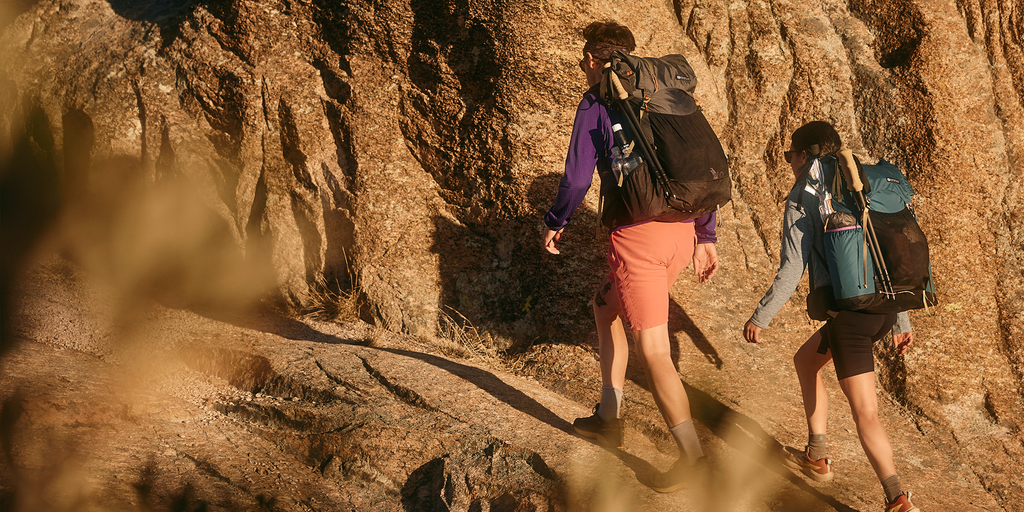
Founder Glen Van Peski pushes his base pack weight below 3 lbs, on a punishing section of the Pacific Crest Trail that includes the Mojave Desert, in June, 2006.
This trip started as a trip planned with Glen's longtime buddy Read Miller as a sub-2 lb. trip, with no sleeping bag, no stove, no shelter, no raingear (walk at night to keep warm, sleep during the day in some shade, no hot meals, no bugs, no rain). When Read got injured and couldn't make it, Glen decided to do the trip solo, since he already had the time set aside, but added gear back in since he wasn't going to have company.
Glen's plan was to hike Section E, from Tehachapi to Agua Dulce, which was a gap in his PCT mileage, covering the 109 miles in 3 days. He left his car at the Saufley's Hiker Heaven, and was ferried to the Cameron Road offramp in Tehachapi by a generous local resident, Diane Ely, who refused any payment for the ride except hearing some backpacking stories.
There were a couple of safety factors that might not be immediately evident. First, while this was planned as a solo trip, Glen was hiking on the Pacific Crest Trail. He wasn't in the peak season for thru-hikers, but there were a surprising number on the trail. Glen probably met 4 - 8 hikers a day, so if somehow he had collapsed on the trail, someone would be along before too long. Secondly, Glen was hiking southbound, against the thru-hiker 'flow' heading north. This increased the chances of meeting hikers.
To hear about this trip in Glen's own words, check out the podcast at BackpackingLight.com
Glen's Gear List
Please lighten your load responsibly. Never take less gear than required for your particular trip, experience level, and travel group. Glen is a professional ultralight backpacker (well, if he got paid for it he would be).
|
I got dropped off in the dark at 9 pm, as was thankful for the additional firepower of the Arc AAA flashlight in finding the trail. I walked 3.4 miles in the dark to get to the first of the top ridge and find a level area, and at 10:30 lay down for the night. It was a chilly night, getting down to 40, which was cooler than I had expected. The next morning I broke 'camp' at 4 am, and hiked with socks on my hands to ward off the chill. The first few miles meandered through windmills, and I was rewarded with sighting a mountain lion shortly before getting to Oak Creek.
|
|
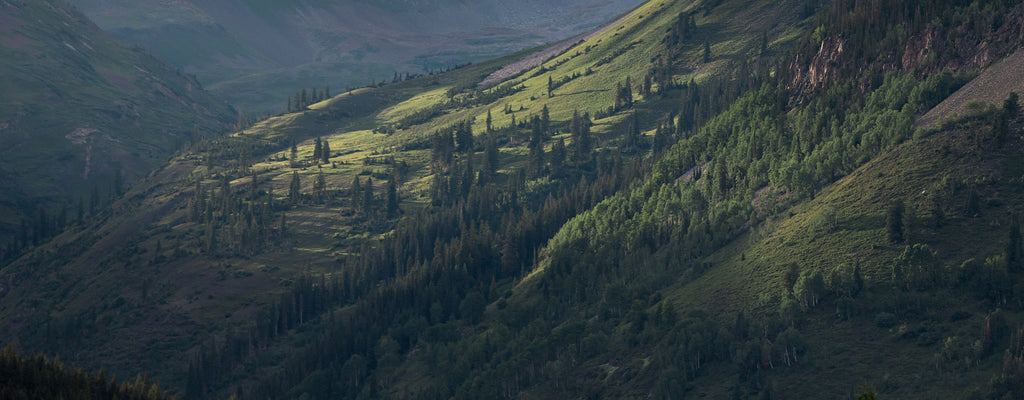
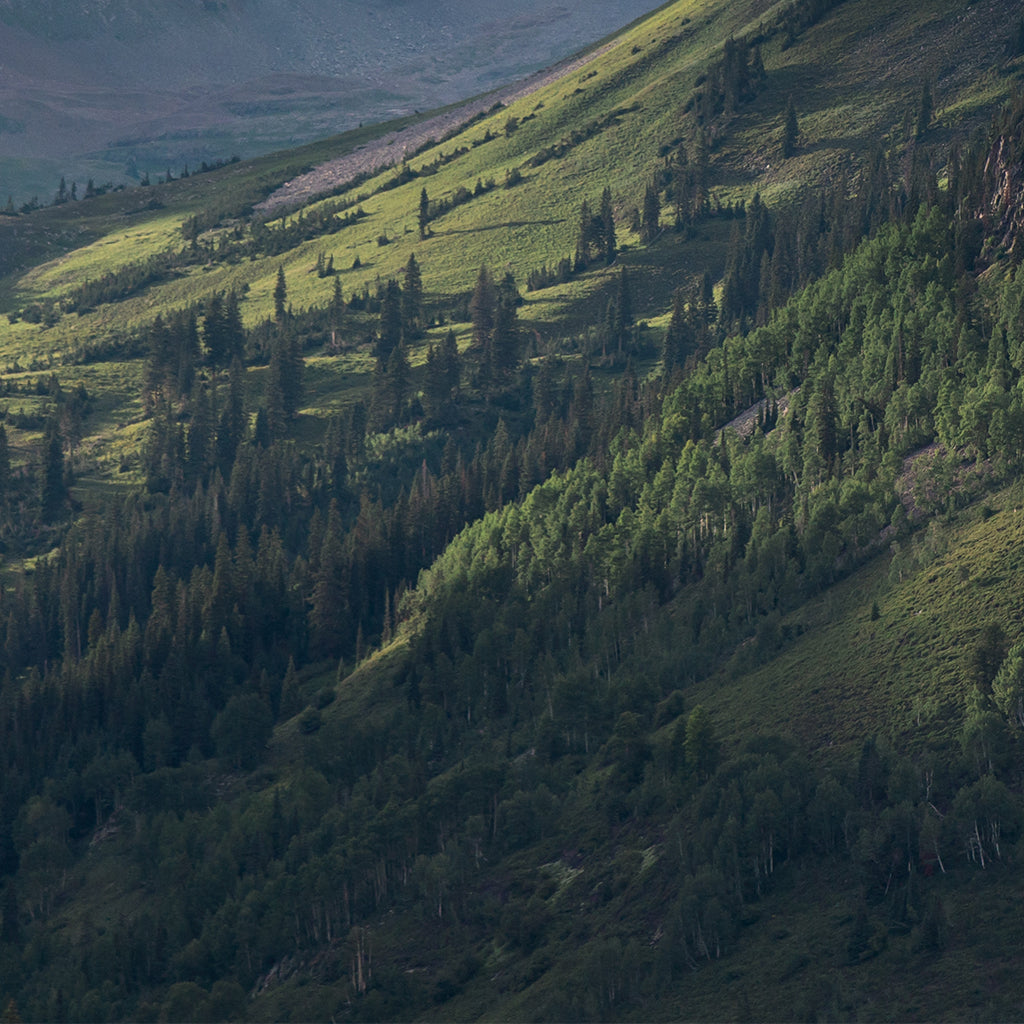
At Oak Creek I filled up on water. After crossing the creek, the trail climbs to the south pinyon-forested ridge of Oak Creek Canyon, shown in these last two photos.
|
|
Water sources were scarce this late in the 'season'. I passed up this source because I had sufficient water, but would have taken water here if I needed it. I definitely came across worse sources later on. I had checked the latest info on AsaBat's water web page http://members.cox.net/4jeffreynet/pctwater/
|
|
Dropping out of the mountains to the desert, the trail followed fence lines for awhile.
|
|
Time to stock up on water at Cottonwood Creek. Notice the rock to keep the pack and gear from blowing away in the breeze! This marks the start of the road walk across the Mojave Desert. Some nearby trees make a popular camping place, but it was only 6 pm, and I wanted to take advantage of the evening cool. I hiked on, and met someone heading southbound who lives near me and has been over to my house in Carlsbad! It's always fun to meet someone you know on the trail. The walking was easy, either along a paved access road, or a trail that paralleled it. It would have been nice to make it across the entire desert stretch, but by 9:15 I had hiked 41.5 miles for the day, and was tired. I spread out my pad atop a concrete box like this one, and drifted off to sleep to the faint sound of water flowing underneath me.
|
|
The next morning got warm quickly, I was up at 4:30 and on the road. The morning sun cast a beautiful purple hue over the distant hills.
|
|
Long leg shadows on the washboard road shoulder.
|
|
Even with this PCT signage where the 'trail' crosses the now-open aquaduct, I managed to take a wrong turn, and ended up taking an 'alternate' route to Hikertown.
|
|
A well-ventilated sun hat was crucial to survival. Because of timing, the desert section was actually one of the more comfortable parts of the trip. The one time I got heat exhaustion was not in the Mojave.
|
|
Hikertown was deserted in the early morning. I took the opportunity to enjoy a shower al fresco, and to do some repair on my now clean feet. I spent 1.5 hours resting up, then headed up into the hills.
|
Page 2
|